
What are Concrete Joints & different joints sealant Products?
Joints between construction elements can be found in various elements of a structure, e. g. between precast concrete elements in facades, around windows and doors, between floors and walls, around storage tanks, or in concrete itself. So, what are those gaps or Lines on the concrete? The answer is Joints, but what exactly joints in concrete means? First of all;
Concrete is not a ductile material, which means it cannot be stretched or bent without breaking. But Concrete does move—it shrinks, it expands, and also different parts of a building move in different ways. This is where joints come into play. When concrete moves, if it is tied to another structure or even to itself, we get what’s called restraint, which causes tensile forces and invariably leads to cracking. So, joints are used to prevent cracking of concrete.
The purpose of joint sealing generally is to:
Will introduce you today to types of joints in concrete structures and different sealant types and different uses
Types of Concrete joints:
Construction joints:
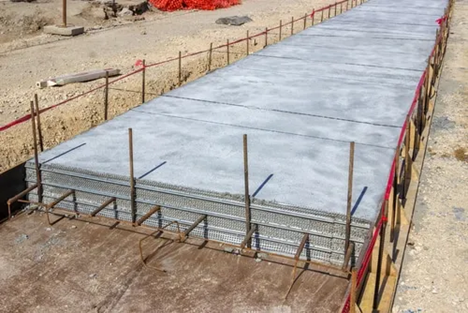
Construction joint is placed when the mass concreting works are done and cannot be completed on a single shot. The interface of hard concrete and fresh concrete is to be properly done so as the bonding should be perfect for load transferring and avoiding water leakage. This interface joint is known as Construction Joint. its main focus is on maintaining structural integrity.
Prior to pouring a new concrete slab next to an already completed piece, construction joints are installed.
Control Joint:
Placed at regular intervals froming a weak plane, So cracks form at the joints but not in undesirable areas. Construction joints are provided in concrete pavements, slabs, walls, floors, dams, canal linings, bridge, retaining walls etc.
When concrete is placed, it decreases in size due to shrinkage, creep, and thermal movement, leading to hairline cracks in the concrete at the weak zone. Control joint is placed at the location of highest concentration of tensile stresses resulting from shrinkage are expected:
Expansion Joint:
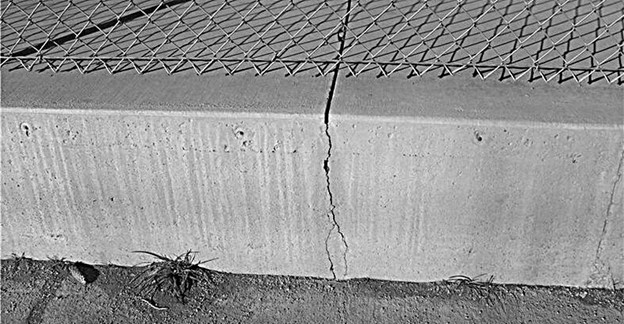
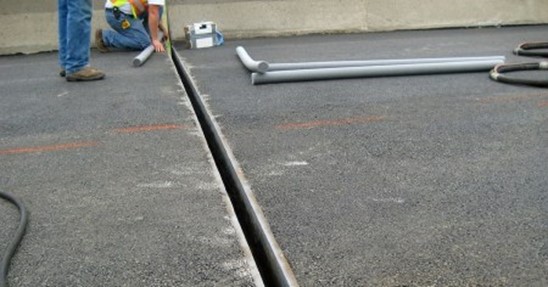
Expansion joints are used in concrete to prevent forming of expansive cracks as a result of temperature changes. When there is high temperature, the concrete expands in a confined boundary and cracks happens. Expansion joints are provided in slabs, pavements, buildings, bridges, sidewalks, railway tracks, piping systems, ships, and other structures.
Expansion joints allow for thermal contraction and expansion without stressing the elements.
Sealant Types and Uses
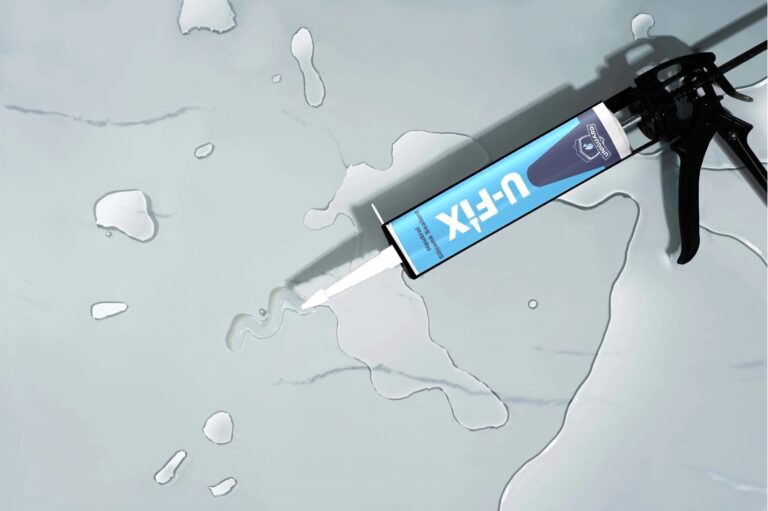
There are many different technologies of sealants on the market, and their properties vary:
Acrylic Emulsion Sealants
Water-based sealants, also known as latex, Such as U-fix AC40, popular in the construction industry for sealing gaps between moldings, doors, and windows. These sealants are easily applied and easy to clean, and they dry quickly. They are also paintable.
They have good adhesion to absorbent substances including wood, concrete, and plaster, as well as good adhesion to metals and glass, though not as good as silicones.
Elastomeric Sealants
The 4 chemical types of sealants which display elastomeric properties are the following:
Polysulfide
Excellent flexibility, even at low temperatures, with no shrinkage or UV deterioration; can be used underwater. Polysulfides are more expensive than comparable sealants and have greater quantities of volatile organic compounds (VOCs).
Silicone sealants
Except for the fact that they cannot be painted, silicone sealants are a good all-around sealant option. Silicon sealants are highly flexible and water-resistant. They’re also less prone to shrinking than most other sealants, and they stick to almost any material. They are having high temperature resistance and can be Mould Resistant.
There are two types of sealants:
Polyurethane sealants
A polyurethane-based sealant may be your best choice for a durable sealant that adheres to practically everything such as U-fix PU30. These sealants create strong bonds between materials, they’re also abrasion resistant and provide more flexibility than many other sealant types, making them a favorite in the construction industry. Polyurethane sealants are rarely paintable, but they often come in tinted hues like grey, black, or white
General Properties of Polyurethane Sealants
Hybrid Sealants/ MS sealants
Combine the high-performance characteristics of silicone and polyurethane while minimizing the weaknesses of each such as MS 25. For example, MS polymers possess the durability of polyurethane. It also has silicone’s weather and UV resistance while still standing up to abrasion.
ما هي الفواصل الخرسانية ومنتجات مواد ملء الفواصل المختلفة؟
يمكن العثور على الفواصل بين عناصر البناء في عناصر مختلفة من الهياكل الخرسانية، على سبيل المثال: بين العناصر الخرسانية مسبقة الصب في الواجهات، حول النوافذ والأبواب، بين الأرضيات والجدران، حول الخزانات، أو في الخرسانة نفسها.
ما هي تلك الفجوات أو الخطوط الموجودة على الخرسانة؟ الجواب هو الفواصل، ولكن ماذا يعني بالضبط وجود الفواصل في الخرسانة؟
الخرسانة ليست مادة لدنة (قابلة للشد والتشكيل)، مما يعني أنها لا يمكن أن تتمدد أو تنحني دون أن تنكسر. لكن الخرسانة تتحرك بالفعل، فهي تتقلص وتتمدد، فتتحرك أجزاء مختلفة من المبنى بطرق مختلفة. هذا هو المكان الذي يأتي دور الفواصل فيه. عندما تتحرك الخرسانة، إذا كانت مرتبطة بهيكل آخر أو حتى بنفسها، يكون هناك ﺗﻘﻴﻴﺪ للحركة.، وهو ما يسبب قوى الشد ويؤدي دائما إلى التشقق. لذلك، يتم استخدام الفواصل لمنع تشقق الخرسانة ويتم ملء هذه الفواصل بما يعرف بموانع التسورب.
الأغراض من مواد ملء الفواصل بشكل عام هي:
سوف نتعرف اليوم على أنواع الفواصل في الهياكل الخرسانية وأنواع مواد ملء الفواصل والمانعة للتسرب المختلفة بالاضافة الى استخداماتها المختلفة:
أنواع الفواصل الخرسانية:
هو الفاصل الناتج عن عمل صبتين متجاورتين للخرسانة , لإكمال صب أجزاء خرسانية تم البدء في صبها ثم توقف الصب بسبب كبر حجم كمية الخرسانة يحيث لا بمكن صبها كلها دفعة واحدة .ويتوجب عمله بين الخرسانة الصلبة والخرسانة الطازجة بشكل صحيح بحيث يكون الترابط مثاليًا لنقل الأحمال وتجنب تسرب المياه.
2-فواصل التحكم”control joint”
يوضع على مسافات منتظمة لتكوين مستوى ضعيف، حتى تتكون تشققات عند هذه الفواصل ولكن ليس في المناطق غير المرغوب فيها. يتم انشائها في الأرصفة الخرسانية والألواح والجدران والأرضيات والسدود وبطانات القنوات والجسور والجدران الاستنادية وما إلى ذلك
عند صب الخرسانة يقل حجمها بسبب الانكماش وزحف الخرسانة “creep” والحركة الحرارية مما يؤدي إلى حدوث تشققات شعرية في الخرسانة عند المنطقة الضعيفة. يتم وضع فاصل التحكم في الموقع الذي يتوقع أعلى تركيز لضغوط الشد الناتجة عن الانكماش.
3-فواصل التمدد “Expansion Joint“
تستخدم فواصل التمدد في الخرسانة لمنع تكون الشقوق التي تتوسع نتيجة للتغيرات في درجات الحرارة. عندما تكون هناك درجة حرارة عالية، تتمدد الخرسانة في حدود محصورة وتحدث الشقوق. يتم وضع فواصل التمدد في البلاطات الخرسانية والأرضيات والمباني والجسور والأرصفة ومسارات السكك الحديدية وأنظمة الأنابيب والسفن وغيرها من الهياكل.
تسمح فواصل التمدد بالانكماش والتمدد الحراري دون الضغط على العناصر الخرسانية .
أنواع واستخدامات مواد ملء الفواصل
هناك العديد من التقنيات المختلفة لمواد ملء الفواصل في السوق، والتي تختلف خصائصها باختلاف نوعها :
مواد ملء الفواصل الاكريليكية:
ذات أساس مائي، والمعروفة أيضًا باسم اللاتكس، مثل U-fix AC40، المشهورة في صناعة البناء والتشييد لسد الفجوات بين القوالب والأبواب والنوافذ. يتم تطبيق هذه المواد المانعة للتسرب بسهولة وتنظيفها وتجف بسرعة. كما أنها قابلة للطلاء.
ذات التصاق جيد بالمواد ذات امتصتصية بما في ذلك الخشب والخرسانة والقصاوة، بالإضافة إلى التصاق جيد بالمعادن والزجاج، على الرغم من أنها ليست بجودة السيليكون.
مواد ملء الفواصل المرنة والمطاطية:
الأنواع الأربعة من مواد مواد ملء الفواصل وموانع التسرب التي لديها خصائص المرونة والمطاطية هي كما يلي:
ذات مرونة ممتازة، حتى في درجات الحرارة المنخفضة، بدون انكماش وتتحمل الأشعة فوق البنفسجية؛ يمكن استخدامها تحت الماء. تعتبر البولي سولفايد أكثر تكلفة من المواد المانعة للتسرب المماثلة وتحتوي على كميات أكبر من المركبات العضوية المتطايرة (VOCs).
باستثناء حقيقة أنه لا يمكن طلاؤها، فإن مواد ملء الفواصل المصنوعة من السيليكون تعد خيارًا جيدًا لمنع التسرب وملء الفواصل بشكل عام. وتتميز بمرونة عالية ومقاومة للماء. كما أنها أقل عرضة للانكماش من معظم المواد المانعة للتسرب الأخرى، وتلتصق بأي مادة تقريبًا. لديهم مقاومة درجات الحرارة العالية ومقاومة للعفن.
هناك نوعان من مواد ملء الفواصل المصنوعة من السيليكون:
قد يكون مادة ملء الفواصل المصنوعة من مادة البولي يوريثين هو خيارك الأفضل لمانع تسرب متين يلتصق عمليًا بكل شيء مثل U-fix PU30. فهي تخلق التصاق قوي بين المواد، كما أنها مقاومة للتآكل وتوفر مرونة أكبر من العديد من أنواع مواد ملء الفواصل الأخرى، مما يجعلها المفضلة في صناعة البناء والتشييد. نادرًا ما تكون المواد المانعة للتسرب من مادة البولي يوريثين قابلة للطلاء، ولكنها غالبًا ما تأتي بألوان عدة مثل الرمادي أو الأسود أو الأبيض
الخصائص العامة لمواد ملء الفواصل من مادة البولي يوريثين
مواد ملء الفواصل الهجينة/ MS بوليمر
يجمع بين كل من الأداء العالي للسيليكون والبولي يوريثين مع تقليل نقاط الضعف لكل منهما مثل MS 25. على سبيل المثال، تمتلك بوليمرات MS متانة البولي يوريثين. كما أنها تتمتع بمقاومة ال
What are Concrete Joints & different joints sealant Products?
Joints between construction elements can be found in various elements of a structure, e. g. between precast concrete elements in facades, around windows and doors, between floors and walls, around storage tanks, or in concrete itself. So, what are those gaps or Lines on the concrete? The answer is Joints, but what exactly joints in concrete means? First of all;
Concrete is not a ductile material, which means it cannot be stretched or bent without breaking. But Concrete does move—it shrinks, it expands, and also different parts of a building move in different ways. This is where joints come into play. When concrete moves, if it is tied to another structure or even to itself, we get what’s called restraint, which causes tensile forces and invariably leads to cracking. So, joints are used to prevent cracking of concrete.
The purpose of joint sealing generally is to:
Will introduce you today to types of joints in concrete structures and different sealant types and different uses
Types of Concrete joints:
Construction joints:
Construction joint is placed when the mass concreting works are done and cannot be completed on a single shot. The interface of hard concrete and fresh concrete is to be properly done so as the bonding should be perfect for load transferring and avoiding water leakage. This interface joint is known as Construction Joint. its main focus is on maintaining structural integrity.
Prior to pouring a new concrete slab next to an already completed piece, construction joints are installed.
Control Joint:
Placed at regular intervals froming a weak plane, So cracks form at the joints but not in undesirable areas. Construction joints are provided in concrete pavements, slabs, walls, floors, dams, canal linings, bridge, retaining walls etc.
When concrete is placed, it decreases in size due to shrinkage, creep, and thermal movement, leading to hairline cracks in the concrete at the weak zone. Control joint is placed at the location of highest concentration of tensile stresses resulting from shrinkage are expected:
Expansion Joint:
Expansion joints are used in concrete to prevent forming of expansive cracks as a result of temperature changes. When there is high temperature, the concrete expands in a confined boundary and cracks happens. Expansion joints are provided in slabs, pavements, buildings, bridges, sidewalks, railway tracks, piping systems, ships, and other structures.
Expansion joints allow for thermal contraction and expansion without stressing the elements.
Sealant Types and Uses
There are many different technologies of sealants on the market, and their properties vary:
Acrylic Emulsion Sealants
Water-based sealants, also known as latex, Such as U-fix AC40, popular in the construction industry for sealing gaps between moldings, doors, and windows. These sealants are easily applied and easy to clean, and they dry quickly. They are also paintable.
They have good adhesion to absorbent substances including wood, concrete, and plaster, as well as good adhesion to metals and glass, though not as good as silicones.
Elastomeric Sealants
The 4 chemical types of sealants which display elastomeric properties are the following:
Polysulfide
Excellent flexibility, even at low temperatures, with no shrinkage or UV deterioration; can be used underwater. Polysulfides are more expensive than comparable sealants and have greater quantities of volatile organic compounds (VOCs).
Silicone sealants
Except for the fact that they cannot be painted, silicone sealants are a good all-around sealant option. Silicon sealants are highly flexible and water-resistant. They’re also less prone to shrinking than most other sealants, and they stick to almost any material. They are having high temperature resistance and can be Mould Resistant.
There are two types of sealants:
Polyurethane sealants
A polyurethane-based sealant may be your best choice for a durable sealant that adheres to practically everything such as U-fix PU30. These sealants create strong bonds between materials, they’re also abrasion resistant and provide more flexibility than many other sealant types, making them a favorite in the construction industry. Polyurethane sealants are rarely paintable, but they often come in tinted hues like grey, black, or white
General Properties of Polyurethane Sealants
Hybrid Sealants/ MS sealants
Combine the high-performance characteristics of silicone and polyurethane while minimizing the weaknesses of each such as MS 25. For example, MS polymers possess the durability of polyurethane. It also has silicone’s weather and UV resistance while still standing up to abrasion.