
Which is the best waterproofing membrane? Is it the liquid-applied membrane or torch-on sheet membrane? This is a common question asked by engineers, homeowners, and contractors we will know its answer in this article.
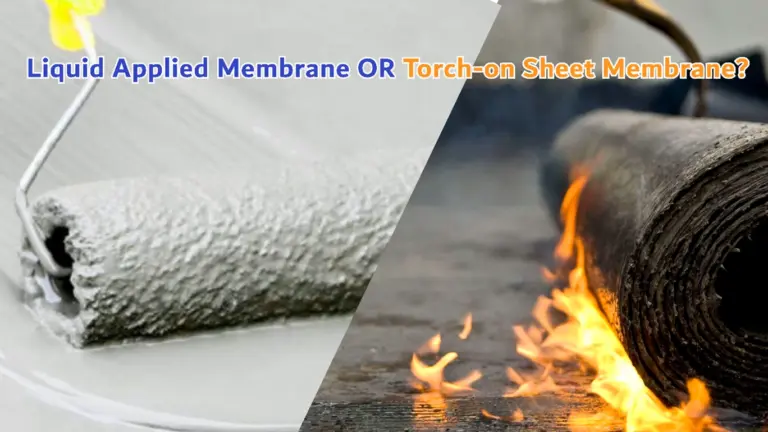
Firstly, let us know what is meant by each
Liquid-applied membrane (LAM) is a monolithic, fully bonded, liquid-based coating suitable for many waterproofing applications. The coating cures to form elastomeric waterproof membranes and may be applied over many substrates, including asphalt, bitumen, metal, and concrete.
The sheet membrane is a waterproofing membrane that comes in rolls, can be made of bitumen, or synthetic thermosetting/thermoplastic polymers, and is differentiated by the way it adheres on the surface; bituminous can be (torch-applied, self-adhered, mechanically fixed), synthetic polymers which can be Fully Adhered, Mechanically Attached, or Ballasted (loose-laid).
A torch-applied membrane we are discussing today is a sheet membrane made from Bitumen that comes in the form of sheet rolls and its application involves the use of a heated torch to melt the underside of the membrane onto the surface.
9 Reasons and Features Why You Should Use Liquid-Applied Membranes
1. Seamless & joint-free, fill in cracks, gaps, and voids in the substrate
2. Fast, easy, and safe application as it is one component and cold applied without any fire or heat.
3. Versatile It can be applied to various surfaces, including concrete, ceramic & cement tiles, metal, bitumen, and brick.
4. Excellent bonding & adhesion properties, fully adhered to substrate, adhere to irregular surfaces making it an excellent choice to waterproof surfaces with complicated details.
5. Highly elastic & crack bridging; where having the ability to expand and contract allows waterproofing to accommodate the structural movements of a building or a surface and helps to bridge cracks that may have been caused in the substrate.
6. High UV resistance and high solar reflectance index when applied in white color, so it is ideal for exposed roofs such as Uniguard HB.
7. Cost-effectiveness where 1-2 layers are needed and its application easy, fast, and no need to Highly trained installers such as bituminous torch-applied membranes.
8. Easy repair & maintenance; where it is removable and easy to re-coat. No inter-coat adhesion problems. It’s excellent also for patch repairs in cases of mechanical damage.
9. Water vapor permeable, and can be applied straight to an existing sound torch-on bitumen system without the need for expensive stripping. (Polyurthane waterproofing such as Uniguard PU 1K can be applied above sound Bituminous membrane).
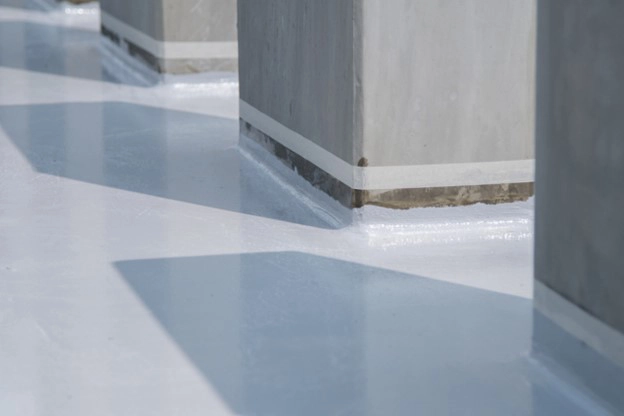
Perfect for exposed roofs or any surface with several details
Ideal for areas with light traffic.
What about torch-applied waterproofing membranes?
The torch-applied membrane has high durability and resistance to extreme weather conditions like extreme temperatures, low temperatures, snow, rain, and freeze-thaw, in addition to root resistance, but has some drawbacks such as:
1- It is not seamless and requires special attention to joints, seams, and changes in plane.
2- Not fitted for all surfaces, the membranes are limited to a maximum width of one meter, and the sheet membrane must be cut and pieced together to suit the size of your space.
3- Involves multiple layers of the membrane to install and thus increased materials costs and installation will take longer than liquid applied membranes. However, more layers applied in the system do not mean greater waterproofing protection.
4- Labor-intensive application process.
5- Highly trained installers must be used to ensure that the modified bitumen membranes are correctly installed as sheet membranes need to be cut according to different shapes & sizes of the surface, require skillful workmanship to seal the joints & seams properly and do the overlapping correctly.
6- If a puncture occurs in liquid membranes that are fully bonded to the substrate, and the water leak will be where the puncture occurs. Whereas joins, seams, or overlaps in sheet membrane can debond and potential water leaks can happen and the water leak might be a distance away from the original point of entry, so water leaks can’t be easily identified and repaired and the maintenance process itself is not that simple.
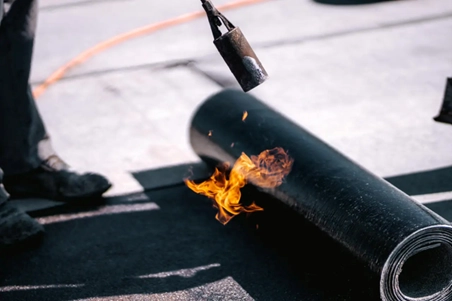
Ideal for a flat roof or low sloped.
For heavy rainfall or extreme weather conditions.
Conclusion
Overall, Liquid-applied waterproofing materials have several advantages over torch-applied sheet membranes, the most significant of which are ease of installation, simplified detailing, and cost-effectiveness.
A liquid-applied membrane eliminates many of the issues associated with torch-applied sheet membrane waterproofing systems, such as uneven seams, and end lapping. Minor imperfections, small gaps, and irregularities are easily corrected with liquid membranes. A liquid membrane’s seamless, monolithic adhesion reduces the risk of failure at joints, overlaps, seams, and changes in plane that may happen in sheet menbranes. Also, the fluid-applied system’s elastomeric characteristics will tolerate minor settling and structural movements caused by temperature and humidity variations.
Uniguard offers a wide range of Waterproofing solutions, such as cementitious mortars, in addition to acrylic, bituminous, and polyurthane liquid-applied membranes to suit all project needs.
هو طلاء العزل المائي السائل أم رولات البيتومين المطبّقة بالشعلة؟ ما هو أفضل نوع من انواع العزل المائي؟ هل هذا سؤال شائع يطرحه المهندسون وأصحاب المنازل والمقاولون وسنتعرف على إجابته في هذا المقال.
بداية دعونا نعرّف ما هو المقصود بكل منهما:
طلاء العزل المائي السائل هو عبارة عن طلاء سائل متجانس يترابط ويلتصق بشكل كامل مع السطح المطبّق عليه ومناسب للعديد من تطبيقات العزل المائي. يجّف الطلاء ليشكل غشاء مطاطي مقاوم للماء ويمكن تطبيقه على العديد من الركائز، بما في ذلك الخرسانة والقار والأسطح المعدنية.
العزل المائي الرولات هو عبارة عن غشاء مانع لتسرب المياه يأتي على شكل رولات، ويمكن تصنيعه من البيتومين، أو البوليمرات الصناعية ذات التلدّن الحراري (ثيرموبلاستيك) او التصلب الحراري(ثيرموست)، ويتم تمييزه عن طريق طريقة التصاقه بالسطح؛ يمكن أن يكون البيتومين (رولات تطبّق بالشعلة، أو الرولات ذاتية اللصق، الرولات التي يتم تثبيتها ميكانيكيا)، والبوليمرات الصناعية يمكن أن تكون ملتصقة بالكامل، أو يتم تثبيتها ميكانيكيا ، أو غير مربوطة بالسطح (موضوعة بشكل فضفاض) ويتم وضع طبقة من الحصى فوقها.
رولات البيتومين المطبّقة بالشعلة الذي نتحدث عنها اليوم هو عبارة عن غشاء مانع لتسرب المياه مصنوع من البيتومين على شكل رولات ويتضمن تطبيقه استخدام شعلة لإذابة الطبقة البيتومينية من الاسفل لتلتصق على السطح.
9 أسباب ومميزات تدفعك إلى استخدام طلاء العزل المائي السائل :
2. تطبيق سريع وسهل وآمن حيث أنه من مكوّن واحد ويتم تطبيقه على البارد دون أي نار أو حرارة.
3. متعدد الاستخدامات ويمكن تطبيقه على الأسطح المختلفة، بما في ذلك الخرسانة، البلاط الاسمنتي والسيراميك، والمعادن، والقار، والطوب.
4. خصائص ترابط و التصاق ممتازة، تلتصق بالسطح بشكل كامل، تلتصق بالأسطح غير المنتظمة مما يجعلها اختيارًا ممتازًا لعزل الاسطح ذات التفاصيل المتعددة.
5. ذات استطالة ومرونة عالية وتتمتع بخاصية تجسير الشقوق. حيث أن امتلاك القدرة على التوسع والتقلص يسمح بالعزل المائي لاستيعاب الحركات الهيكلية للمبنى أو السطح. وخاصية تجسير الشقوق تعمل على تحمّل حدوث تشققات في السطح اسفل المادة دون حدوث خلل فيها.
6. ذات مقاومة عالية للأشعة فوق البنفسجية ومؤشر انعكاس شمسي عالي عند تطبيقه باللون الأبيض، لذلك فهو مثالي للأسطح المكشوفة مثل يوني جارد اتش بي.
7. ذات تكلفة مناسبة حيث يتم تطبيقها على طبقة أو طبقتين وتطبيقها سهل وسريع ولا حاجة إلى فنيين مدربين تدريباً عالياً مثل رولات البيتومين المطبّقة بالشعلة “رولات الزفتة”.
8. سهل الإصلاح والصيانة. حيث أنه قابل للإزالة وسهل إعادة طلاءه. لا توجد مشاكل في الالتصاق بين الطبقات كما في رولات الزفتة. إنه ممتاز أيضًا للإصلاحات في حالات التلف الميكانيكي.
9. يسمح بنفاذ بخار الماء، ويمكن تطبيقه مباشرة على نظام رولات زفتة قديم وسليم دون الحاجة إلى ازالتها بشكل كامل وتحمل كل التكاليف العالية ( العزل المائي من البولي يوريثان مثل يوني جارد بي يو ون كي يمكن تطبيقه فوق العزل البيتوميني).
مثالي للمناطق ذات حركة المرور الخفيفة.
ماذا عن رولات البيتومين المطبّقة بالشعلة “رولات الزفتة”؟
تتمتع رولات الزفتة المطبقة بالشعلة بمتانة عالية ومقاومة للظروف الجوية القاسية مثل درجات الحرارة القصوى ودرجات الحرارة المنخفضة والثلوج والأمطار ودورات االنجماد والذوبان، بالإضافة إلى مقاومة جذور النباتات، ولكن له بعض العيوب مثل:
1- انها لا تشكل طبقة سلسة وتتطلب عناية خاصة بالفواصل والطبقات والتغيرات في المستوى من الافقي الى العمودي.
2- غير مناسبة لجميع الأسطح، ويقتصر عرض الرولات على متر واحد بحد أقصى، ويجب قص قطع من الرولات وتجميعها معًا بما يتناسب مع حجم مساحة السطح الذي تريد عزله.
3- يتضمن تركيبها طبقات متعددة من الرولات وبالتالي زيادة تكاليف المواد ووقتًا أطول في التركيب من طلائات العزل السائلة. مع ملاحظة انّ المزيد من الطبقات في النظام لا تعني حماية أكبر ضد تسرب المياه.
4- عملية التركيب للرولات تحتاج عدد من العمالة اكبر بكثير من طلائات العزل السائلة.
6- إذا حدث ثقب في طلائات العزل المائي السائلة الملتصقة بشكل كامل بالسطح، فسيكون تسرّب الماء هو مكان حدوث الثقب. في حين أن الفواصل أو الطبقات أو التداخلات في رولات الزفتة يمكن أن تتفكك ويمكن أن يحدث تسرب محتمل للمياه وقد يكون تسرب الماء على مسافة بعيدة عن نقطة الدخول الأصلية، لذلك لا يمكن تحديد تسربات المياه وإصلاحها بسهولة وعملية الصيانة نفسها بسيطة.
مثالية للأسطح المستوية أو ذات الميلان القليل
للاستخدام في للأمطار الغزيرة أو الظروف الجوية القاسية.
بشكل عام، توفر طلاءات العزل المائي السائلة مزايا مقارنةً رولات البيتومين المطبّقة بالشعلة، بداية من سهولة التركيب، والتفاصيل المبسطة في التطبيق والتكلفة المناسبة.
كما انها تخلصك من كل التحديات التي تجدها في رولات الزفتة من الطبقات الى التداخلات بين الرولات المتجاورة غير المستوية. ايضا يمكن معالجة العيوب البسيطة والفجوات الصغيرة والسطح غير المنتظم بسهولة في طلاءات العزل المائي السائلة. وإن الالتصاق السلس والمتجانس لطلاء العزل المائي السائل يقلل من القلق بشأن الفشل في الفواصل والتداخلات والطبقات والتغيرات في المستوى التي قد تحدث في عزل الرولات. كما سوف تستوعب الخصائص المرنة والمطاطية لطلاء العزل المائي السائل التحركات البسيطة والحركات الهيكلية للأسطح بسبب تغيرات درجة الحرارة والرطوبة.
تقدم يوني جارد مجموعة واسعة من حلول العزل المائي، مثل العزل المائي الأسمنتي، بالإضافة إلى طلائات العزل المائي السائلة المختلفة ذات الاساس الأكريليكي والبيتومين والبولي يوريثان لتناسب جميع احتياجات المشروع.
Quelle est la meilleure membrane d’imperméabilisation? Est-ce la membrane appliquée au liquide ou la membrane de rouleaux glissants au chalumeau? C’est une question fréquemment posée par les ingénieurs, les propriétaires et les entrepreneurs. Nous connaîtrons sa réponse dans cet article.
Tout d’abord, laissez-nous savoir ce que signifie chaque
La membrane appliquée au liquide est un revêtement monolithique, entièrement collé et adapté à de nombreuses applications d’imperméabilisation. Le revêtement séche et forme des membranes imperméables élastomères et peut être appliqué sur de nombreux substrats, y compris l’asphalte, le bitume, le métal et le béton.
La membrane en feuille est une membrane d’imperméabilisation qui vient en rouleaux, peut être faite de bitume ou de polymères thermodurcissables / thermoplastiques synthétiques. Elle est différenciée par la façon dont elle adhère sur la surface; bitumineux peut être (appliqué au chalumeau, auto-adhésif, fixé mécaniquement), polymères synthétiques qui peuvent être entièrement collés, fixés mécaniquement ou ballastés (en vrac).
Une membrane appliquée au chalumeau dont nous parlons aujourd’hui est une membrane en feuille faite de bitume qui se présente sous la forme de rouleaux de feuilles et son application implique l’utilisation d’une torche chauffée pour faire fondre le dessous de la membrane sur la surface.
9 Raisons et caractéristiques pour lesquelles vous devriez utiliser des membranes liquides
1. Flexible et sans joints. Comble les fissures, les lacunes et les vides dans le substrat.
2. Application rapide, facile et sécurisée puisqu’il s’agit de monocomposant qu’il est appliqué à froid sans feu ni chaleur.
3. Polyvalent : Il peut être appliqué à diverses surfaces, y compris le béton, les carreaux de céramique et de ciment, le métal, le bitume et la brique.
4. Excellentes propriétés de liaison et d’adhérence : entièrement adhéré au substrat, adhèrent à des surfaces irrégulières ce qui en fait un excellent choix pour imperméabiliser les surfaces avec des détails compliqués.
5. flexibilité élevés et fonction de pontage des fissures; où la capacité de se dilater et de se contracter permet d’imperméabiliser pour s’adapter aux mouvements structurels d’un bâtiment ou d’une surface et aide à combler les fissures qui peuvent avoir été causées dans le substrat.
6. Haute résistance aux UV et indice de réflectance solaire élevé lorsqu’il est appliqué en couleur blanche. Il est donc idéal pour les toitures exposées tels qu’Uniguard HB.
7. Coût abordable où 1-2 couches sont nécessaires et son application facile, rapide, et pas besoin d’installateurs hautement qualifiés tels que les membranes appliquées au chalumeau bitumineux.
8. Facile à réparer; amovible et facile à recoller. Aucun problème d’adhérence entre les couches. Il est également excellent pour les réparations en cas de dommages mécaniques.
9. Perméable à la vapeur d’eau et peut être appliqué directement sur un système de bitume au chalumeau acoustique existant sans avoir besoin d’un décapage coûteux. (L’imperméabilisation au polyuréthane comme l’unité centrale Uniguard 1K, peut être appliquée au-dessus d’une membrane bitumineuse.)
Parfait pour les toitures exposées ou toute surface avec plusieurs détails.
Idéal pour les zones à trafic léger.
Qu’en est-il des membranes d’imperméabilisation appliquées au chalumeau?
La membrane appliquée au chalumeau a une durabilité et une résistance élevées aux conditions météorologiques extrêmes comme les températures extrêmes, les basses températures, la neige, la pluie et le gel-dégel. En plus de la résistance aux racines, mais présente certains inconvénients tels que :
1. Pas flexible et nécessite une attention particulière aux joints, aux coutures et aux changements de plan.
2. Ne convient pas à toutes les surfaces. La largeur des rouleaux est limitée à un maximum d’un mètre et les morceaux de rouleaux doivent être coupés et assemblés proportionnellement à la taille de la surface que vous souhaitez isoler.
3. Implique plusieurs couches de la membrane à installer, par conséquent, l’augmentation des coûts des matériaux et de l’installation prendra plus de temps que les membranes qui appliquées liquides. Cependant, plus de couches sont appliquées dans le système ne signifie pas une plus grande protection d’imperméabilisation.
4. Processus de demande exigeant beaucoup de main-d’œuvre.
5. Des installateurs hautement qualifiés doivent être utilisés pour s’assurer que les membranes en bitume modifié sont correctement installées, car les membranes en feuilles doivent être coupées en fonction des différentes formes et tailles de la surface, exigent un travail habile pour sceller les joints et les coutures correctement et faire le chevauchement correctement.
6. Si une perforation se produit dans les membranes liquide
Idéal pour les surfaces plates ou à faible inclinaison.
Pour les fortes pluies ou les conditions météorologiques extrêmes.
Conclusion
Dans l’ensemble, les matériaux d’imperméabilisation appliqués au liquide présentent plusieurs avantages par rapport aux membranes en feuille appliquées au chalumeau, dont les plus importants sont la facilité d’installation, les détails simplifiés et le coût-efficacité.
Une membrane appliquée à l’état liquide élimine bon nombre des problèmes associés aux systèmes d’imperméabilisation de la membrane en feuilles appliqués au chalumeau, comme les joints inégaux et le rodage des extrémités. Les imperfections mineures, les petites lacunes et les irrégularités sont facilement corrigées avec des membranes liquides. L’adhérence monolithique sans couture d’une membrane liquide réduit le risque de défaillance aux joints, aux chevauchements, aux coutures et aux changements de plan qui peuvent se produire dans les membranes. En outre, les caractéristiques flexibles du système appliqué au fluide tolèrent les mouvements mineurs de sédimentation et de structure causés par les variations de température et d’humidité.
Uniguard offre une large gamme de solutions d’imperméabilisation, telles que des mortiers cimentaires, en plus des membranes appliquées liquides acryliques, bitumineux et polyuréthannes pour répondre à tous les besoins du projet.