
o bring concrete to SSD conditions. But what is SSD? Why is it an important condition for concrete? And how to achieve it? This is what we will discuss today!
To start, what is SSD?
SSD is an abbreviation for the term saturated-surface-dry. it’s referring to a condition that concrete needs to be in sometimes.
saturated-surface-dry means ensuring that the outer surface of the concrete is only slightly damp with no free water remaining. It should be as if that surface had been dried with a towel. Meanwhile, the concrete pores should be saturated with water to a depth of several millimeters.
As we now know what SSD is, why is it important?
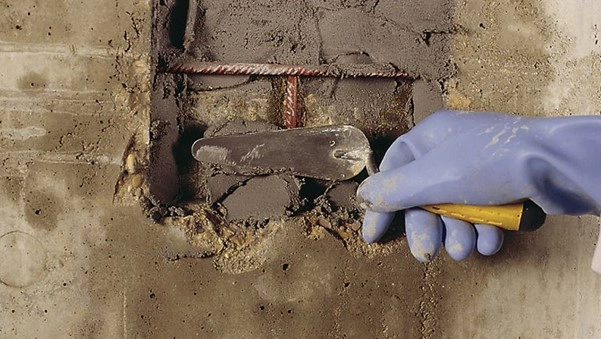
SSD is a condition you should give your concrete when you want to apply a cement product to the concrete’s surface. if you want to repair the surface with cementitious grout or a similar product, you’ll need the surface to be in SSD condition.
Ensuring your concrete surface is in a saturated surface dry (SSD) condition during the application of cement products is important. Without it, water absorption by the concrete from the intended repair material can happen. That in turn can lead to an excessive amount of shrinkage and cracks.
However, if your concrete does have the right SSD condition, then you can avoid that concern. The water of the repair mixed material will not be absorbed by the concrete substrate being repaired. a good bond strength for the repair material will be enhanced in addition to proper cure & hydration of cementitious repair material. And a strong and lasting bond between the repair material and the host concrete substrate is one of the crucial aspects of the durability of concrete repairs.
If You Want to Achieve SSD, We Have a Couple of Recommendations
Your initial step should be to clean the surface. That means removing defects, paint, dirt, sealers, form release agents, laitance, other contaminants, and debris from the concrete surface you want to repair.
Then the surfaces must be pre-wetted to achieve a Saturated Surface Dry (SSD) condition after cleaning using a hose or bucket of water with a mortar brush to dampen the repair substrate. They will then use the mortar brush to help remove excess water from low spots in the substrate as free water at the surface must be avoided because it can impair the bond at the interface. Once the surface shows signs of drying but is not completely dry and there is a darker color compared to the dryer substrates, you know you’ve got an SSD, and the mortar application is ready to begin.
Alternatively, to SSD condition, installers can use an approved bonding agent from Uniguard products line such as Bond plus or admix sbr.

The next time you need to repair concrete, keep in mind to bring concrete surface to SSD condition.
it is a critical step in making your concrete repair work highly efficient.
ربما تكون قد سمعت مرة أو مرتين عن الحاجة إلى حاجة تجهيز الخرسانة لحالة السطح المشبع الجاف SSD. لكن ماذا يعني ؟ لماذا هي مهمة ؟ وكيف يمكن الوصول اليها؟هاذا ما سنتطرق اليه في هذا المقال
في البداية، ماذا المقصود بSSD؟
SSD هو اختصار لمصطلح السطح المشبع الجاف. إنه يشير إلى حالة يجب أن تكون عليها الخرسانة في بعض الأحيان.
يعني السطح المشبع الجاف التأكد من أن السطح الخارجي للخرسانة رطب مع عدم وجود ماء حر كما لو أن هذا السطح قد جفف بمنشفة. وفي الوقت نفسه، ان تكون المسامات مشبعة تماما بالماء حتى عمق عدة مليمترات.
بما أننا نعرف الآن ما هي حالة السطح المشبع الجاف، فما هي أهميتها؟
حالة السطح المشبع الجاف هي حالة يجب أن تصل اليها الخرسانة عند تطبيق منتج اسمنتي على الأسطح الخرسانية. فإذا كنت ترغب في إصلاح السطح باستخدام الجراوت الاسمنتي أو منتج مشابه ، فستحتاج إلى أن يكون السطح مشبعا بالماء داخليا وجاف خارجيا.
وجعل الخرسانة بحالة السطح المشبع الجاف عند تطبيق المنتجات الاسمنتية عليها أمرًا بالغ الأهمية. بدونها، يمكن أن ينتهي الأمر بالخرسانة بامتصاص الماء من المادة التي كان من المفترض أن يقوم باصلاحها. مما يؤدي إلى فشل وتشقق مادة الاصلاح.
ولكن، إذا تمّ ايصال الخرسانة لحالة السطح الجاف المشبع بشكل صحيح قبل تطبيق المنتجات الاسمنتية، فيمكنك تجنب هذا القلق. فالخرسانة القديمة التي يتم إصلاحها لن تمتص الماء المخلوط مع مواد الإصلاح. وسيتم تعزيز قوة الالتصاق لمواد الإصلاح وضمان حدوث تفاعل كامل بين الإسمنت والماء في مادة الاصلاح. ويعتبر الالتصاق القوي والدائم بين مادة الإصلاح وسطح الخرسانة أحد العناصر المهمة لنجاح ومتانة الإصلاحات الخرسانية.
إذا كنت تريد ايصال الخرسانة الى حالة السطح المشبع الجاف، اليك بعض التوصيات
يجب أن تكون خطوتك الأولى هي تنظيف السطح. وهذا يعني إزالة العيوب والطلاء والأوساخ ومواد معالجة الأسطح والملوثات الأخرى والحطام من السطح الخرساني الذي تريد إصلاحه.
ثم يجب ترطيب السطح لتحقيق حالة السطح المشبع الجاف بعد تنظيفه باستخدام خرطوم أو دلو من الماء وفرشاة. ومن ثم إزالة الماء المتبقي على سطح الخرسانة بالفرشاة حيث يجب تجنب الماء الحر على السطح لأنه يمكن أن يضعف التصاق مواد الاصلاح. وبمجرد ظهور علامات الجفاف على السطح ولكنه ليس جافًا تمامًا ويصبح لونه أغمق مقارنةً بسطح الخرسانة الجاف، فقد وصلت الى حالة السطح المشبع الجاف، ويمكنك البدء في تطبيق مواد الاصلاح الاسمنتية.
ضع في اعتبارك أن درجة الحرارة والرطوبة ستؤثران على سرعة تشبع المسامات ومدى بقائها مشبعة.
وكبديل لتحضير السطح وايصاله الى حالة السطح المشبع الجاف، يمكن استخدام عامل ربط ومادة تأسيس معتمدة من منتجات
يوني جارد بوند بلس او اد ميكس اس بي
ففي المرة القادمة التي تحتاج فيها إلى إصلاح الخرسانة، ضع في اعتبارك تحضير سطح الخرسانة لحالة السطح المشبع الجاف.
فهي خطوة حاسمة في جعل إصلاحك الأسمنتي يعمل بأعلى كفاءة.
Vous avez peut-être entendu parler une ou deux fois de la nécessité d’apporter du béton aux conditions de la SSD. Mais qu’est-ce que la SSD? Pourquoi est-ce une condition importante pour le béton? Et comment y parvenir ? C’est ce dont nous allons discuter dans cet article !
Pour commencer, qu’est-ce que le SSD ?
SSD est une abréviation pour le terme saturé-surface-sec. Il fait référence à une condition que le béton doit parfois être.
saturé-surface-sec signifie s’assurer que la surface extérieure du béton est seulement légèrement humide sans eau restante. Ce devrait être comme si cette surface avait été séchée avec une serviette. Pendant ce temps, les pores du béton doivent être saturés d’eau à une profondeur de plusieurs millimètres.
Comme nous savons maintenant ce qu’est la SSD, pourquoi est-elle importante ?
La SSD est une condition que vous devez donner à votre béton lorsque vous souhaitez appliquer un produit cimentaire sur la surface du béton. Si vous souhaitez réparer la surface avec du coulis cimentaire ou un produit similaire, vous aurez besoin que la surface soit en état SSD.
Elle est importante de s’assurer que votre surface de béton est dans un état saturé et sec (SSD) pendant l’application des produits cimentaires. Sans elle, l’absorption d’eau par le béton du matériau de réparation prévu peut se produire. Cela peut à son tour entraîner un retrait excessif et des fissures.
Cependant, si votre béton a la bonne condition SSD, alors vous pouvez éviter cette préoccupation. L’ancien béton en réparation n’absorbera pas l’eau mélangée avec les matériaux de réparation. La force d’adhérence des matériaux de réparation sera améliorée et une réaction complète entre le ciment et l’eau sera assurée dans le matériau de réparation. Et un lien solide et durable entre le matériau de réparation et le substrat de béton hôte est l’un des aspects cruciaux de succès et de la durabilité des réparations de béton.
Si vous voulez atteindre SSD, nous avons quelques recommandations
Votre première étape devrait être de nettoyer la surface. Cela signifie éliminer les défauts, la peinture, la saleté, les matériaux de traitement de surface, d’autres contaminants et les débris de la surface de béton que vous souhaitez réparer.
Ensuite, la surface doit être hydratée pour obtenir l’état de la surface saturée sèche après le nettoyage à l’aide d’un tuyau ou d’un seau d’eau et d’un pinceau. Ensuite, retirez l’eau restante sur la surface de béton avec un pinceau avec la nécessité d’éviter l’eau chaude sur la surface car elle peut affaiblir l’adhérence des matériaux de réparation. Une fois que la surface montre des signes de séchage mais n’est pas complètement sèche et qu’il y a une couleur plus foncée par rapport à la surface de béton sèche, vous savez que vous avez un SSD et Vous pouvez commencer à appliquer des matériaux de réparation de ciment.Gardez à l’esprit que la température et l’humidité affecteront la vitesse à laquelle les pores sont saturés et à quel point ils restent saturés.
Comme alternative à la préparation de surface et à la livraison à l’état de surface saturée sèche, vous pouvez utiliser un agent liaisonnement et un matériau de base approuvée par les produits Uniguard tels qu’Uniguard primer WB.
La prochaine fois que vous devez réparer le béton, gardez à l’esprit de préparer la surface de béton à l’état SSD. Il s’agit d’une étape cruciale pour rendre vos travaux de réparation en cimentaire très efficace.