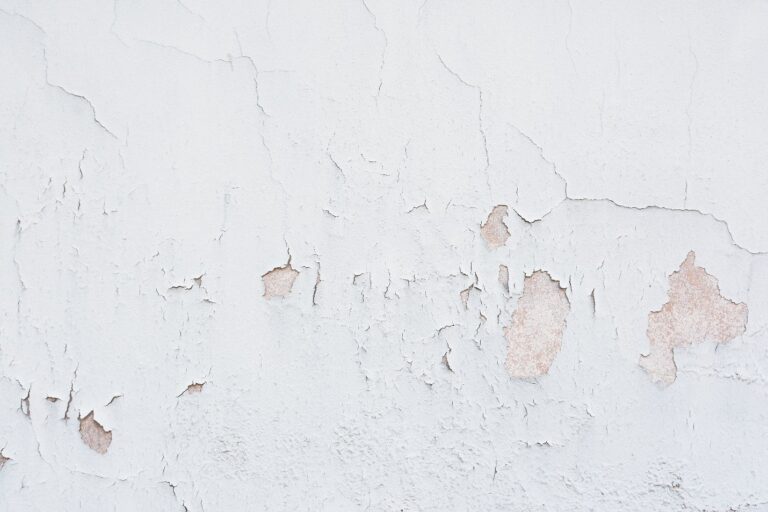
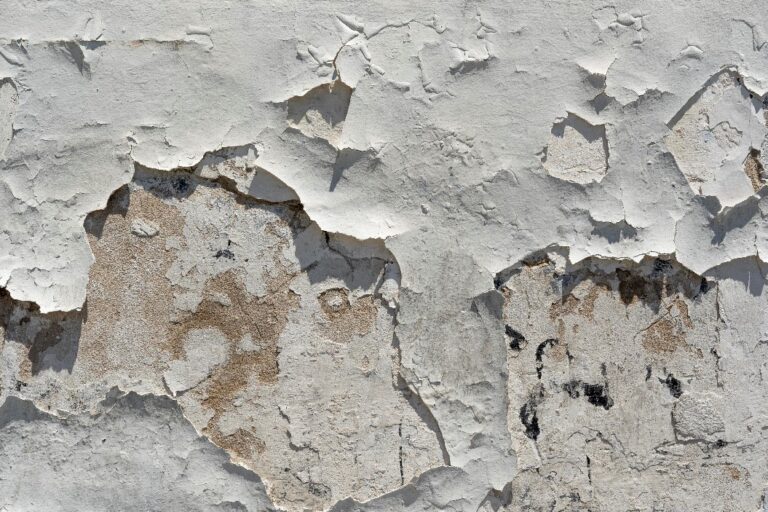
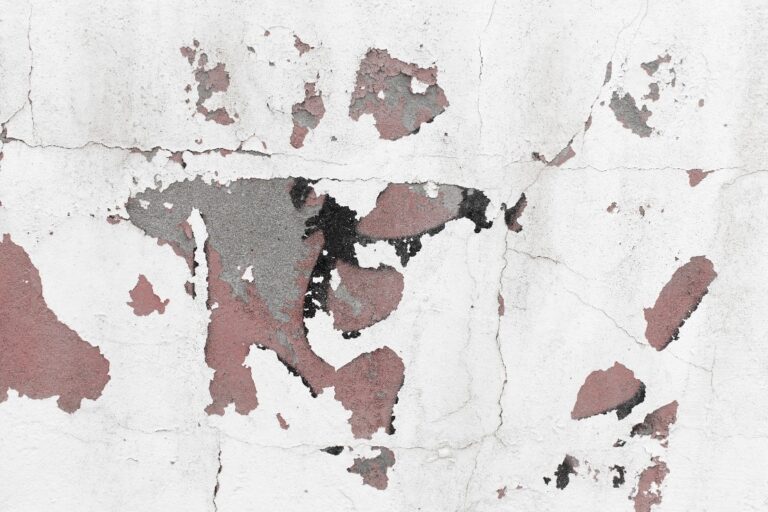
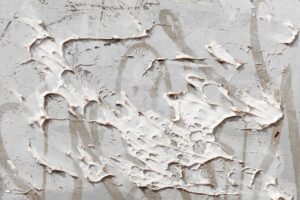
Paint peeling is a common issue that affects many buildings and structures. It is common on drywall and old plaster ceilings, but you can also notice it along with the window frames, wooden decks, trims, bathrooms, sidings and more. It also affects the household’s health due to mold and mildew growth and chipping of painted walls. Therefore, it is important to understand the causes of paint peeling and how to prevent them.
What Causes Paint on Walls and Ceilings to Peel After Being Painted?
Moisture Moisture is one of main causes peeling paint. it can seep into the walls through cracks, leaks, or condensation, and results in bulging, cracking, and flaking off color from the walls and ceilings. Areas of the home where moisture is prevalent, such as bathrooms, kitchens, and laundries, are highly susceptible to peeling paint.
Poor preparation
How you apply the paint can also affect how long it lasts and looks. Some common mistakes that can lead to paint peeling include: applying coats of paint that are either too thick or too thin, painting on a dirty, wet, or glossy surface, painting in extreme temperatures or humidity, or painting without proper preparation or priming. These errors can prevent the paint from bonding well with the surface and cause it to peel off easily.
Many different coats on the same surface Using different types of paint on the same surface can lead to peeling. For instance, applying latex paint over areas previously painted with oil-based paint will cause peeling. It’s essential to know the type of paint previously used and choose the next layer accordingly. Mixing incompatible paint types can also result in peeling. To prevent peeling, make sure to use the same type of paint on each layer.
Too many layers of paint Applying too many layers of paint, especially on ceilings, can lead to peeling due to the weight of the paint pulling it down over time. Thick layers of paint don’t adhere well, particularly if there are already multiple coats, causing them to eventually detach. It’s crucial to apply paint in thin, even layers to prevent this issue, or seek professional help if unsure about the process.
Expired paint Paints, like other chemical products, have an expiration date, and signs of expiration include separation, mold growth, or freezing. Additionally, high temperatures can accelerate deterioration. Inferior paint brands may lead to issues like cracks, peeling, and bulges on walls, while expired paints can affect adhesion and texture. Proper research and storage are key to avoiding these problems and achieving the best outcomes.
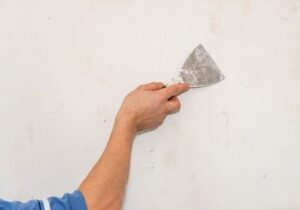
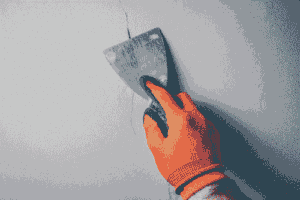
Repair any holes or cracks: You should fix the cracks and holes before applying a new layer of paint. Using a putty knife such us Unimix SF, apply wall putty to fill the entire hole or crack. Then, smooth it so it’s level with the wall surface. Allow the filler to dry completely.
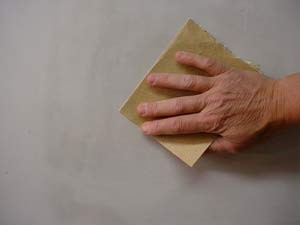
Sand the surface
Clean the wall
Primer and paint the wall
تقشر الدهان مشكلة شائعة تؤثر على العديد من المباني والهياكل. يُلاحظ عادةً على الجدران الجافة والأسقف القديمة المغطاة بالجص، ويمكن أيضًا رؤيته حول إطارات النوافذ، والأسطح الخشبية، والتزيينات، والحمامات، والواجهات، وغيرها. هذا التقشر قد يؤثر أيضًا على صحة المنزل بسبب نمو العفن وتفتت الطلاء. لذلك، من المهم فهم أسباب تقشر الطلاء وكيفية منعه.
ما الذي يسبب تقشر الطلاء على الجدران والأسقف بعد الطلاء؟
الرطوبة تُعد الرطوبة أحد الأسباب الرئيسية لتقشر الطلاء. يمكن أن تتسرب المياه إلى الجدران من خلال الشقوق أو التسريبات أو التكثف، مما يؤدي إلى انتفاخ الطلاء وتشققه وتقشره عن الجدران والأسقف. الأماكن في المنزل التي تكون فيها الرطوبة مرتفعة، مثل الحمامات والمطابخ وغرف الغسيل، هي الأكثر عرضة لتقشر الدهان.
التحضير السيئ طريقة تطبيق الطلاء قد تؤثر على مدى بقائه وشكله. بعض الأخطاء الشائعة التي قد تؤدي إلى تقشر الطلاء تشمل: وضع طبقات طلاء سميكة جدًا أو رقيقة جدًا، الطلاء على سطح متسخ أو مبلل أو لامع، الطلاء في درجات حرارة أو رطوبة غير مناسبة، أو الطلاء دون تحضير أو استخدام برايمر مناسب. هذه الأخطاء تمنع الطلاء من الالتصاق جيدًا بالسطح، مما يجعله يتقشر بسهولة.
استخدام أنواع طلاء مختلفة على نفس السطح استخدام أنواع طلاء مختلفة على نفس السطح قد يؤدي إلى التقشر. على سبيل المثال، وضع طلاء اللاتكس فوق مناطق مطلية سابقًا بطلاء أساسه الزيت يؤدي إلى التقشر. من الضروري معرفة نوع الطلاء المستخدم مسبقًا واختيار الطبقة التالية بناءً على ذلك. خلط أنواع الطلاء غير المتوافقة قد يتسبب أيضًا في التقشر. لتجنب التقشر، تأكد من استخدام نفس نوع الطلاء في كل طبقة.
طبقات كثيرة من الطلاء وضع طبقات كثيرة من الطلاء، خاصة على الأسقف، قد يؤدي إلى التقشر بسبب وزن الطلاء الذي يسحب الطبقات للأسفل بمرور الوقت. الطبقات السميكة لا تلتصق جيدًا، خاصة إذا كانت هناك بالفعل عدة طبقات سابقة، مما يؤدي في النهاية إلى انفصالها. من المهم تطبيق الطلاء في طبقات رقيقة ومتساوية لمنع هذه المشكلة، أو اللجوء إلى متخصص إذا لم تكن واثقًا من العملية.
الطلاء المنتهي الصلاحية الطلاء، مثل غيره من المنتجات الكيميائية، له تاريخ انتهاء، وتشمل علامات انتهاء الصلاحية الانفصال، نمو العفن، أو التجمد. بالإضافة إلى ذلك، يمكن أن تؤدي درجات الحرارة العالية إلى تسريع تدهور الطلاء. استخدام ماركات طلاء رديئة الجودة قد يؤدي إلى مشاكل مثل التشقق والتقشر والانتفاخ على الجدران. كما يمكن أن يؤثر الطلاء المنتهي الصلاحية على الالتصاق والملمس. البحث الجيد والتخزين الصحيح ضروريان لتجنب هذه المشكلات والحصول على أفضل النتائج.
الطلاء المنتهي الصلاحية الطلاء، مثل غيره من المنتجات الكيميائية، له تاريخ انتهاء، وتشمل علامات انتهاء الصلاحية الانفصال، نمو العفن، أو التجمد. بالإضافة إلى ذلك، يمكن أن تؤدي درجات الحرارة العالية إلى تسريع تدهور الطلاء. استخدام ماركات طلاء رديئة الجودة قد يؤدي إلى مشاكل مثل التشقق والتقشر والانتفاخ على الجدران. كما يمكن أن يؤثر الطلاء المنتهي الصلاحية على الالتصاق والملمس. البحث الجيد والتخزين الصحيح ضروريان لتجنب هذه المشكلات والحصول على أفضل النتائج.
كيفية إصلاح تقشر الطلاء؟
إزالة الطلاء المتقشر: قم بإزالة أي طلاء متقشر أو مفكك باستخدام مكشطة أو فرشاة سلكية. قم بصنفرة المنطقة برفق لتنعيم الحواف.
إصلاح الثقوب أو الشقوق: يجب إصلاح الشقوق والثقوب قبل وضع طبقة طلاء جديدة. باستخدام سكينة المعجون مثل Unimix SF، قم بتطبيق المعجون لسد الثقب أو الشق بالكامل. ثم قم بتنعيمه ليصبح متساويًا مع سطح الجدار. دع المادة تجف تمامًا.
صنفرة السطح
تنظيف الجدار
Paint peeling is a common issue that affects many buildings and structures. It is common on drywall and old plaster ceilings, but you can also notice it along with the window frames, wooden decks, trims, bathrooms, sidings and more. It also affects the household’s health due to mold and mildew growth and chipping of painted walls. Therefore, it is important to understand the causes of paint peeling and how to prevent them.
What Causes Paint on Walls and Ceilings to Peel After Being Painted?
Moisture Moisture is one of main causes peeling paint. it can seep into the walls through cracks, leaks, or condensation, and results in bulging, cracking, and flaking off color from the walls and ceilings. Areas of the home where moisture is prevalent, such as bathrooms, kitchens, and laundries, are highly susceptible to peeling paint.
Poor preparation
How you apply the paint can also affect how long it lasts and looks. Some common mistakes that can lead to paint peeling include: applying coats of paint that are either too thick or too thin, painting on a dirty, wet, or glossy surface, painting in extreme temperatures or humidity, or painting without proper preparation or priming. These errors can prevent the paint from bonding well with the surface and cause it to peel off easily.
Many different coats on the same surface Using different types of paint on the same surface can lead to peeling. For instance, applying latex paint over areas previously painted with oil-based paint will cause peeling. It’s essential to know the type of paint previously used and choose the next layer accordingly. Mixing incompatible paint types can also result in peeling. To prevent peeling, make sure to use the same type of paint on each layer.
Too many layers of paint Applying too many layers of paint, especially on ceilings, can lead to peeling due to the weight of the paint pulling it down over time. Thick layers of paint don’t adhere well, particularly if there are already multiple coats, causing them to eventually detach. It’s crucial to apply paint in thin, even layers to prevent this issue, or seek professional help if unsure about the process.
Expired paint Paints, like other chemical products, have an expiration date, and signs of expiration include separation, mold growth, or freezing. Additionally, high temperatures can accelerate deterioration. Inferior paint brands may lead to issues like cracks, peeling, and bulges on walls, while expired paints can affect adhesion and texture. Proper research and storage are key to avoiding these problems and achieving the best outcomes.
Repair any holes or cracks: You should fix the cracks and holes before applying a new layer of paint. Using a putty knife such us Unimix SF, apply wall putty to fill the entire hole or crack. Then, smooth it so it’s level with the wall surface. Allow the filler to dry completely.